The Basics of Roofing

A roof is a home’s first line of defense against the elements. It protects occupants from the rain, wind and snow.

Roofing

A roof is built on a skeletal frame of beams and rafters that support the structure’s covering. Several different roofing methods are available, each with its own advantages and disadvantages. Contact Roofing Helena MT for professional help.

Roofing materials can be made of a variety of materials, with each type of material offering different strengths and benefits. Some of the most common roofing materials include asphalt shingles, wood shakes or shingles, clay tiles, and metal. Typically, the material that is chosen will depend on a home owner’s budget and desired aesthetic. The longevity of a roof can also be determined by the material used.

Some of the most durable roofing materials are natural materials, such as slate and tile. These natural materials offer a classic and attractive look, as well as high durability. However, they are expensive and require extensive professional installation. They also tend to be heavier than other roofing materials, which can place an extra burden on the structure of a house.

Other durable roofing materials include clay tiles and concrete tiles. These are suitable for most climates, although they work best in warm areas. They are fire-resistant and provide good insulation, but they can be fragile and need to be maintained regularly.

Metal roofing consists of any of the large variety of metallic structures that can be applied to a building’s roof. These metals can be found in a variety of thicknesses and styles, and they can be mechanically seamed or soldered to make a weather-tight seal. Some of the most common types of metal roofing are galvanized steel, galvalume, aluminum, and copper.

Another type of roof is a membrane roof. These are constructed of sheets that are fused together to form a continuous surface. Membrane roofs are ideal for flat roofs and can last up to 20 years. They can be a good choice for homeowners that want to avoid the hassle of repairing leaks.

Slate is a highly durable and beautiful roofing option, but it is also expensive. This natural stone can last for 100 years or more, and it resists rot and pests. It is an excellent option for homeowners looking to improve their curb appeal, and it can increase the value of a home. However, slate is heavy and requires a strong support system, which can be a challenge for older homes.

Design

The design of a roof has an impact not only on aesthetics but also functionality and energy efficiency. Roofs come in a variety of shapes and sizes each with its own charm. Some glint under the sun with their metallic sheen while others exude timeless elegance with clay tiles or wooden shakes. Each roof type tells its own story and impacts not only the look of a house but its overall value.

All roofs have several layers including weatherproofing (a protective barrier against moisture), reinforcement (to add durability and puncture resistance) and surfacing (which protects the two bottom layers from the sun and weather). The drainage system of a roof is a vital component too; it conveys water safely away from a home’s foundation, preventing basement flooding and structural damage.

Slope

Your roof’s slope isn’t a topic of conversation often enough, but it plays a key role in how your home sheds water and snow. It also affects the material you can use for roofing and influences your home’s structural integrity and maintenance needs. In addition, a roof’s slope influences its aesthetic, impacting the overall look and feel of your building.

A roof’s slope, a metric expressed as a ratio of “rise over run,” defines how steep or shallow your roof is. Steeper slopes facilitate rapid water drainage, reducing the risk of leaks and structural damage. In contrast, flatter roofs are more prone to pooling and ponding, which may lead to roof failure over time.

Local building codes typically specify minimum slope angles for different roofing materials, based on expected snow loads. Accurate roof slope calculation ensures that your roofing meets these requirements while delivering optimal functionality and performance.

Measuring roof slope is a task that many DIY enthusiasts can take on safely from inside the attic with a level and measuring tape. However, for those who prefer to avoid ladders or simply want a more accurate measurement solution, smartphone apps offer convenient and reliable slope calculation solutions that deliver instant results.

Start by selecting a reputable app with positive reviews and an easy-to-use interface. Select the “rise over run” setting, which will provide a reading of your roof’s rise for every 12 inches of horizontal distance. Once the app calculates your roof’s slope, you can then easily read the result in either percentage or degree format.

Roof slope is an important metric to know, even if you’re not planning any major roof projects. It is essential for ensuring that your roof carries the appropriate load and stays functional over time, and it can help you determine how much material to purchase for your project. This information is particularly valuable if you’re considering a roof conversion, such as adding solar panels or a sunroom. You can also use the information to verify contractor measurements or make material purchases. Having the knowledge of how to measure roof slope can save you money and headaches in the long run.

Maintenance

In order to keep roofing systems functioning properly, regular inspections must be performed. The frequency of these inspections depends on the environment, with buildings in more extreme climates requiring maintenance on a more frequent basis. Additionally, some roofs may require surface-level repairs more frequently than others. This can be due to environmental conditions or the nature of the materials used in the roof construction.

Generally, inspections should be conducted twice a year, once in the spring and once in the fall. This is the best time to catch problems that can be exacerbated by the weather patterns of each season. Inspecting a roof at these times also allows a mechanic to assess the condition of the building insulation and preventive barriers.

The surface of a roof must be kept free of debris, which can clog drains and accelerate membrane deterioration. In addition, the accumulating dirt can promote moss and algae growth on the roof and inside gutters and downspouts. These areas should be thoroughly cleaned with a pressure washer (from the ground or a stable ladder, if possible) or broom and vacuum cleaner.

Check the ridge cap to ensure it is securely fastened and provides a watertight seal at the peak of the roof. Inspect for shingles that are missing or overly worn, for cracked caulking around penetrations and perimeter flashing, and for signs of deterioration like crazing, openings, cracking, and leaking. The underlying material of wood shakes and shingles should be regularly stained or sealed to resist decay and insect damage.

If the roof is a built-up membrane, inspect for ponding water or evidence of leaks in the interior of the building. These issues should be repaired immediately to prevent them from spreading and causing major structural damage.

For metal roofs, inspect the edge metal for rust spots and corrosion. Inspect the vent pipes and ductwork for proper installation and proper coverage, and check for any deterioration of the flashings. Verify that the roof has a sufficient slope to ensure adequate drainage. Lastly, inspect the drainage system for blockage and verify that downspouts extend away from the foundation of the building.
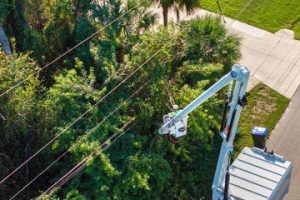

Affordable Tree Services to Enhance Outdoor Spaces

Trees are a vital part of any outdoor environment, bringing beauty, shade, and natural balance to residential yards, commercial landscapes, and public spaces. However, to fully enjoy the benefits they provide, trees require proper care and maintenance. Affordable tree services make it possible to preserve the health, safety, and appearance of trees without overwhelming budgets. From trimming and pruning to removal and stump grinding, these services ensure outdoor spaces remain both functional and visually appealing.

tree services

The Importance of Tree Care

Well-maintained trees not only enhance the aesthetic appeal of a property but also contribute to the environment by providing cleaner air, reducing soil erosion, and creating habitats for wildlife. Beyond their ecological benefits, trees add significant value to homes and commercial properties, making professional tree care an investment rather than an expense.

Neglected trees can become unsafe or unsightly. Overgrown branches may block sunlight, interfere with power lines, or pose risks during storms. In contrast, properly managed trees promote safety, highlight landscaping features, and complement the design of outdoor spaces. Affordable tree services make it possible for property owners to enjoy these benefits without financial strain.

Common Types of Tree Services

Professional tree services address a wide range of needs, ensuring that outdoor spaces remain safe, healthy, and attractive. Some of the most common services include:

Tree Trimming and Pruning

Regular trimming and pruning are essential for tree health and structure. These services remove dead or diseased branches, improve airflow, and encourage stronger growth. They also shape trees to enhance curb appeal, making them blend beautifully with surrounding landscapes.

Tree Removal

In cases where a tree is severely damaged, diseased, or poses a hazard, removal may be necessary. Affordable tree removal services ensure that unwanted or unsafe trees are taken down safely and efficiently, minimizing risks to nearby structures or individuals.

Stump Grinding and Removal

Leftover stumps can be unsightly and hazardous. Stump grinding eliminates these obstacles, restoring open, usable space for landscaping or outdoor activities. Affordable options make it easy for property owners to remove stumps without high costs.

Emergency Tree Services

Storms and strong winds can cause trees or branches to fall unexpectedly. Emergency tree services provide prompt solutions, removing debris and addressing dangerous situations quickly. Having access to affordable emergency care ensures peace of mind when unexpected events occur.

Tree Health Assessments

Trees, like all living things, can suffer from pests, diseases, or nutrient deficiencies. Professional assessments identify these issues early, helping prevent larger problems and extending the lifespan of trees. Affordable health evaluations make proactive care accessible to more property owners.

How Affordable Tree Services Enhance Outdoor Spaces

Affordable tree care is not only about keeping costs manageable—it’s about improving the overall quality and functionality of outdoor areas. Here’s how these services enhance outdoor spaces:

  1. Boosting Aesthetic Appeal
  2. Well-trimmed and healthy trees instantly elevate the appearance of a property. They create a polished look that complements gardens, lawns, and architectural designs.
  3. Improving Safety
  4. Removing weak or overhanging branches prevents accidents and reduces the risk of damage to homes, vehicles, or power lines. Affordable services allow homeowners to prioritize safety without overspending.
  5. Maximizing Space
  6. Tree removal and stump grinding free up valuable outdoor space. Whether used for gardening, recreation, or new landscaping projects, these services make properties more functional.
  7. Promoting Tree Health
  8. Regular pruning and assessments help trees grow stronger and live longer. Healthy trees provide more shade, better air quality, and a pleasant atmosphere for outdoor living.
  9. Increasing Property Value
  10. A well-maintained landscape with healthy, attractive trees boosts curb appeal and property value. Affordable services make this benefit accessible to both residential and commercial property owners.

Balancing Affordability and Quality

When seeking affordable tree services, it’s important to balance cost with quality. Choosing the cheapest option may sometimes compromise safety or results. The goal should be to find services that deliver excellent care at reasonable rates. Here are some tips for achieving this balance:

  • Get Multiple Quotes: Comparing service estimates helps identify fair pricing while avoiding overpayment.
  • Prioritize Essential Services: Focus on immediate needs such as safety-related trimming or removal, then schedule additional work as budgets allow.
  • Look for Packages: Many providers offer bundled services, such as pruning and stump grinding, at discounted rates.
  • Maintain Trees Regularly: Regular upkeep prevents costly emergency removals, making long-term care more affordable.

Environmental and Lifestyle Benefits

Beyond visual and financial advantages, affordable tree services support healthier and more enjoyable outdoor living. Trees that are well-cared-for create shaded areas for relaxation, reduce noise pollution, and improve overall air quality. Families can enjoy outdoor activities with fewer risks from falling branches, while businesses benefit from welcoming landscapes that attract customers and clients.

Environmentally, tree care helps maintain biodiversity by preserving habitats and ensuring trees thrive in balance with their surroundings. Affordable services make it possible for more communities to sustain these environmental contributions without excessive costs.

Why Professional Tree Services Matter

While some property owners may attempt to care for trees on their own, professional services bring expertise, safety, and efficiency. Tree work often involves specialized equipment and knowledge of biology, safety protocols, and local regulations. Affordable professional care ensures that tasks are completed effectively and safely, reducing risks of injury or property damage.

Trees enrich outdoor spaces in countless ways, from enhancing beauty and providing shade to supporting environmental health. To fully enjoy these benefits, regular care and attention are essential. Affordable tree services make it possible for property owners to maintain their trees without exceeding their budgets.

By offering solutions such as pruning, removal, stump grinding, and health assessments, these services not only protect investments but also elevate the safety, function, and charm of outdoor areas. Whether for residential or commercial properties, affordable tree care is the key to cultivating landscapes that are both beautiful and sustainable.

Common Injuries From Car Accidents and Your Legal Rights

Accident Lawyer in Colorado Springs

Many car accidents can result in serious injuries for the victims. While some of these injuries resolve naturally, others require expensive medical procedures or can cause lasting physical and mental impairments.

Some of the most common injuries in car accidents include whiplash, broken bones, head or spinal cord injuries and penetrating injuries caused by shattered glass. The severity of these injuries can greatly impact a victim’s ability to return to work and life as usual. Contact Accident Lawyer in Colorado Springs for more information.

Whiplash

Whiplash is a soft tissue injury that affects the muscles, ligaments, and tendons of the neck. It is caused when the neck jerks back and forth rapidly due to sudden movement such as in a car accident. This rapid movement strains the neck and can cause severe pain and discomfort. It can also lead to a number of other health issues such as spinal cord injuries or herniated discs.

This type of injury is most common in rear-end accidents and can be caused by any collision that causes the head to jolt and move in a way that it is not used to moving. However, it can also be caused by front-end accidents and side-impact crashes as well.

Symptoms of whiplash include stiffness, tightness, pain in the neck or shoulders, headaches, numbness or tingling in the arms or hands. The injury is usually diagnosed using a physical exam and a review of the patient’s medical history. Sometimes, a CT scan or an MRI may be required to provide more detailed images of the muscles and other tissues in the neck that can help determine if there is an injury.

While whiplash can be treated with medication, massage, ice packs, and physical therapy, severe cases of this injury can lead to long-term symptoms that are difficult to manage. If you have suffered this injury in a New York car accident, it is important to seek immediate treatment from an experienced doctor.

Injuries to the neck and spine are among the most common types of injuries from car accidents. The force of the crash jars the spine and can cause severe neck injuries such as herniated disks or broken bones in the neck, back, or shoulders.

The back is especially susceptible to injury due to the positioning of the seat belt and the structure of the car itself. If you are in a rear-end collision, the impact can cause the head to jerk backward and then forward quickly. This jars the spine and can cause torn back muscles, herniated disks, or other serious neck injuries. Injuries to the legs and feet are also common in car accidents. Drivers and passengers often slam their knees into the dashboard or other surfaces as they brace themselves for impact. This can result in fractured bones, sprained ankles or wrists, and other painful injuries.

Broken Legs or Arms

Broken bones are a common car accident injury. Arm fractures often happen when passengers instinctively throw their arms up to brace themselves in a crash. This can cause significant force to be applied to the wrist bones, which are quite brittle.

Leg injuries are also very common in car accidents. Leg fractures often involve the tibia and fibula, two of the thickest and strongest bones in the body. They can be crushed with tremendous force when the legs are pressed against the dashboard or seat in a car accident. The femur, another bone in the leg, can also be fractured with a lot of force when it comes into contact with hard surfaces inside a vehicle during an accident.

The pelvic bones can also be injured in car accidents, as well as the collarbone. The latter is particularly prone to injuries since it runs across the upper rib cage, which can easily hit the steering wheel or dashboard. This can bruise or break the ribs, and should be treated as a serious injury that requires immediate medical attention.

Lacerations, or cuts, are also a very common type of injury in car accidents. They might be caused by glass, sharp metal or other debris in the car, or even during a sudden stop or impact. Depending on the depth and location of the cut, it could damage muscle, blood vessels or hidden tissue underneath the skin. This type of injury can require extensive treatment and rehabilitation to help victims return to their normal lives.

Wrist injuries are also very common in car accidents, as passengers may place their hands on the dashboard or steering wheel in reaction to a crash. This can result in a significant force being applied to the delicate wrist bones, which can break or knock out of place.

If you see a person in a car accident who seems unconscious or has severe injuries to the head, neck, back, or leg, do not move them. This can prevent them from suffering a life-changing injury that would have otherwise been avoided by prompt medical treatment. You should also call emergency services and try to determine if the victim has suffered a delayed pain, which can be a sign of internal hemorrhaging. To check for this, press firmly on the skin near the fractured area to see if it blanches (whitens) or turns pink within 2 seconds.

Concussions or Traumatic Brain Injuries

The brain is responsible for almost all bodily functions, and it is extremely sensitive to physical trauma. A traumatic brain injury (TBI) can range in severity from mild to severe, and it may cause a variety of physical symptoms such as headaches, memory problems and difficulty concentrating. TBIs can also cause psychological symptoms, such as depression and anxiety, or behavioral changes such as irritability and aggression.

TBIs can be caused by any accident that causes sudden acceleration or deceleration of the head, such as a car crash or a blow to the head in sports. Victims of car accidents are particularly susceptible to these injuries, because they can strike their heads against the dashboard, steering wheel or windshield. The force of the impact can also throw victims against the sides of their cars or other objects.

Even if you feel fine immediately after the accident, it is important to seek medical attention as soon as possible. Prompt treatment can ensure your safety, but it can also help document your injuries and create a medical record that is essential for your insurance claim.

Many types of injuries can result from car accidents, including closed head injuries like concussions and more lasting forms of brain damage. The brain can be affected in two ways: impact injuries and penetrating injuries. Impact injuries occur when the victim’s body strikes a part of their car, such as the steering wheel or side window. Penetrating injuries occur when an object, such as a bullet or piece of shrapnel, penetrates the skull and damages brain tissue.

Depending on the severity of your injuries and other factors, you may be entitled to significant compensation for your losses from an accident-related TBI. You can receive financial compensation for your medical bills, loss of income and other expenses. The best way to maximize your financial recovery is to hire an experienced personal injury attorney. He or she can investigate the accident scene, gather evidence, negotiate with insurance companies and represent you in court if necessary. Contact us today to schedule a free consultation with one of our attorneys.

Fractures

The force of a car accident can fracture bones throughout the body, including those in the arms and legs. Bone fractures from a crash often cause severe pain and stiffness, which can interfere with daily activities. These injuries can also lead to long recoveries, and in some cases may result in permanent disability.

The rapid back-and-forth movement of a car accident can also cause dislocations of joints in the neck, wrists, or hands. These injuries can result in severe symptoms that require medical treatment to reposition the joint and reduce swelling. If a shoulder or elbow is dislocated, your doctor may manually place the joint back in place, which may include surgery. A sprained ankle or wrist can also be painful, causing loss of mobility and discomfort. An orthopedic specialist can recommend physical therapy and a wrist splint to help manage the injury and speed healing.

Even if you feel fine after a car accident, it’s important to get a medical exam as soon as possible to detect and treat any hidden injuries. Even minor bruising can lead to internal damage, like a spleen or liver hemorrhage. You should take any abdominal bruising seriously, as well, because the seat belt could have hit your abdomen and caused internal injuries.

Other common injuries from car accidents include fractures of the femur and humerus (arm bone), fibula and tibia (leg bones), and rib fractures. These fractures occur due to the impact of a collision or when a leg is trapped against the dashboard, floor, or steering wheel during a wreck. In addition to surgery and immobilization, these injuries can require long recovery periods.

Facial bones are also susceptible to injury during a car accident due to the force of the blows from airbags or other interior objects. Your skull, cheekbones, and orbital bones (around the eyes) can fracture in a crash, especially if you hit your head on the dashboard or steering wheel.

While whiplash and broken bones are the most common injuries from car accidents, the force of a collision can also burn and disfigure you, as well as damage your internal organs. The most serious crashes can even lead to traumatic brain injury or paralysis, requiring care for the rest of your life that includes doctors’ visits, medications, therapy, and home and in-home care.

Navigation