Every tree tells a story long before it falls. Tree removal, once viewed as a simple act of clearing, has evolved into a complex environmental decision. It now carries ethical, ecological, and aesthetic considerations that extend far beyond the cut. Modern professionals treat it as both science and stewardship.
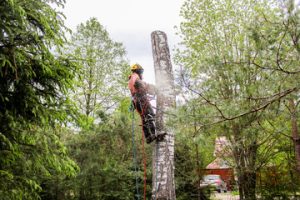
The process begins long before a saw touches bark. Experts assess the tree’s health, structure, and its role in the surrounding ecosystem. Some removals are driven by decay or disease, while others arise from safety or development needs. Each decision requires precision and ecological awareness.
Tree removal has transformed from brute force into careful strategy. Technology now assists in determining the best approach with minimal disruption. Advanced tools and climbing systems ensure precision cuts and controlled direction of the fall. Safety and sustainability coexist through calculated planning.
Urbanization has increased the complexity of this work. Trees near structures, roads, or power lines demand surgical precision. One wrong move could cause damage or injury. The modern arborist works with mathematical accuracy and environmental respect.
Climate change has added urgency to responsible tree management. Invasive species and shifting weather patterns weaken many native trees. Professionals now balance removal with replanting initiatives to restore ecological stability. It’s not just cutting—it’s correcting imbalance in a fragile system.
Safety remains at the heart of every removal. Falling branches, hidden decay, and unstable ground all present risk. Skilled teams follow strict protocols to minimize hazards. They merge experience with real-time judgment to ensure no harm comes to people or property.
The emotional weight of removal often surprises property owners. Many trees hold sentimental or historical value. Removing them feels like losing a part of one’s story. Professionals approach such moments with empathy and education, helping clients understand necessity.
Environmental impact has become a defining aspect of modern removal. Experts work to protect surrounding vegetation, soil health, and wildlife. Strategic cutting prevents erosion and allows remaining flora to thrive. It’s a controlled act of renewal rather than destruction.
Tree removal also intersects with architecture and landscape design. A cleared space opens new possibilities for light, structure, or recreation. The challenge is to integrate change without erasing natural harmony. Each removal is a chance to redefine space thoughtfully.
Technological advances have made even the most complex removals achievable. Drones and digital mapping allow precise planning from above. Load-bearing calculations ensure branches are lowered safely by rope or crane. The once unpredictable process now follows scientific precision.
Tree diseases continue to challenge communities and ecosystems. Fungal infections, pests, and root rot can spread quickly if left unchecked. Removing infected trees becomes a necessary form of containment. It preserves the health of the forest or neighborhood as a whole.
Recycling and reuse have become major trends in sustainable removal. Logs are repurposed into lumber, mulch, or artistic materials. Nothing is wasted when handled with care and creativity. This circular approach honors the life of the tree even after it’s gone.
Legal and ethical regulations also guide modern arboriculture. Permits and environmental assessments ensure accountability. These rules protect rare species and maintain ecological balance. Experts navigate these frameworks to uphold both compliance and conscience.
Tree removal has expanded into ecological restoration. Some projects involve removing invasive or hazardous species to allow native growth. It’s an act of renewal that strengthens biodiversity. Each removal becomes part of a larger story of recovery.
Urban forestry programs now rely on strategic removal for long-term health. Crowded or poorly planted trees can stunt each other’s growth. Removing select trees allows the rest to flourish more fully. Balance, not abundance, defines sustainability.
Public awareness has shifted perceptions of the practice. People increasingly recognize that removal is sometimes necessary for safety and regeneration. Educational outreach helps communities see beyond the immediate loss. Awareness transforms removal from conflict into collaboration.
Tree removal also plays a role in storm management. Weakened trees pose significant danger during extreme weather. Preemptive removal prevents property damage and injury. This proactive approach aligns safety with environmental foresight.
Modern professionals approach the process like environmental architects. They visualize how the removal will alter sunlight, airflow, and soil composition. Every decision is informed by the long-term health of the land. Their craft blends ecology, physics, and artistry.
Roots can cause structural damage to foundations and pipelines. In such cases, removal is not optional but essential. Experts evaluate root spread using ground-penetrating tools before cutting. This precision ensures protection of nearby systems while addressing the problem fully.
Tree removal equipment has also evolved toward sustainability. Electric saws and eco-friendly fuel options reduce emissions. Noise control technologies make the process less disruptive to neighborhoods. Progress happens not just in tools but in responsibility.
Some removals are conducted for rewilding efforts. By clearing non-native trees, experts give native species space to reclaim their habitat. This deliberate absence fosters stronger ecological presence. It’s a reminder that growth sometimes begins with letting go.
The economics of removal reflect its growing complexity. Costs now include safety gear, skilled labor, and post-removal restoration. Clients pay for expertise that prioritizes both efficiency and care. Quality removal today means value through precision.
Tree preservation often intertwines with removal decisions. Experts first explore pruning, cabling, or soil improvement as alternatives. Only when all else fails do they proceed to removal. This hierarchy respects the natural life cycle of the organism.
Cultural and spiritual beliefs sometimes shape attitudes toward removal. In certain traditions, trees hold symbolic significance tied to ancestry or protection. Professionals navigate these beliefs with sensitivity and respect. Cultural understanding enriches environmental practice.
Tree removal also intersects with art and memory. Some families turn cut wood into furniture, sculptures, or keepsakes. This act transforms loss into legacy. The tree’s presence continues, reshaped by human creativity.
Erosion control is another factor guiding removal. Trees on unstable slopes can become dangerous during heavy rainfall. Experts calculate risk based on root depth and soil cohesion. Strategic removal followed by stabilization prevents greater environmental harm.
Wildlife management has become a crucial part of the conversation. Trees often serve as nesting sites or feeding grounds. Removal must consider migration seasons and species protection laws. Ethical timing ensures minimal disturbance to natural inhabitants.
Technological integration now allows real-time monitoring during removal. Sensors track motion, tension, and balance as each cut is made. This data-driven precision reduces accidents and improves outcomes. The science of safety continues to evolve alongside tradition.
Community spaces often benefit from planned removal. Clearing overgrown areas restores light and accessibility. It encourages outdoor activity and revitalizes shared environments. Removal becomes a foundation for renewal and connection.
Fire prevention strategies increasingly involve selective removal. Clearing dry or diseased trees reduces fuel for wildfires. This proactive approach protects both ecosystems and human settlements. Prevention through management replaces reaction through loss.
Tree roots and canopy expansion can interfere with infrastructure over time. Roads, power lines, and buildings face gradual strain. Timely removal avoids costly repairs and maintains public safety. It’s an act of foresight disguised as maintenance.
As awareness grows, tree removal professionals are seen less as destroyers and more as stewards. Their work supports regeneration, safety, and sustainable coexistence. They understand that every removal affects future growth. Responsibility defines their craft more than the act itself.
Innovations in soil restoration often accompany removal projects. Experts replenish nutrients and plant cover crops to maintain fertility. This ensures that the ecosystem continues to thrive after disturbance. True sustainability leaves no void unhealed.
Training and certification programs emphasize ethical practice. Professionals learn risk assessment, species identification, and conservation principles. The modern arborist embodies a balance of strength and sensitivity. Knowledge becomes the most powerful tool in their kit.
Urban planners increasingly collaborate with removal specialists. Together they design green spaces that balance growth and safety. Strategic removals shape skylines while preserving ecological character. It’s the art of sculpting nature within civilization.
Tree removal is not the end of life but the continuation of cycles. Each cut clears the path for regeneration, innovation, and harmony. The fallen trunk becomes part of the earth again, feeding what comes next. In every removal lies a promise of renewal.
Through science, compassion, and vision, tree removal has become an act of balance. It safeguards people, landscapes, and the silent rhythm of growth. The fallen shade gives rise to open sky, light, and new beginnings. From each stump, the story of stewardship continues to grow.